Keynotes
-
Dr. Tom Markusic
CEO Frontera Space & Co-founder Firefly Aerospace
Prior to his current role as the CEO of Frontera Space, he co–founded Firefly and he served in a variety of technical and leadership roles in new-space companies: Vice President of Propulsion at Virgin Galactic, Senior Systems Engineer at Blue Origin, Director of the Texas Test Site and Principal Propulsion Engineer at SpaceX. He holds a Ph.D. in Mechanical and Aerospace Engineering from Princeton University.
OPENING KEYNOTE
-
Tim Dodd - The Everyday Astronaut
“Colonizing Mars”
What will it really take to send humans to Mars — and keep them alive once they’re there? Tim Dodd breaks down the immense engineering and logistical challenges that stand between us and a multi-planetary future: the staggering distance, the hostile environment, and the sheer cost of building sustainable infrastructure on another world. With his signature clarity, humor, and excitement for spaceflight, Tim reveals how solving these “impossible” problems will spark innovations that transform life on Earth as well. Looking forward to the next 100 years!
CLOSING KEYNOTE
100 Years of Liquid Rocketry - Super Panel
-
Hosted by Joe Barnard
Joe Barnard has over ten years designing, building, documenting, and sharing his experimental rocketry projects with the world. As a rare multi-disciplinary engineer, Joe works on every system of a rocket, including hardware design, simulation, fabrication, electronics and PCBs, software, recovery, propellant, and more. His projects have captivated amateur and professional engineers alike.
-
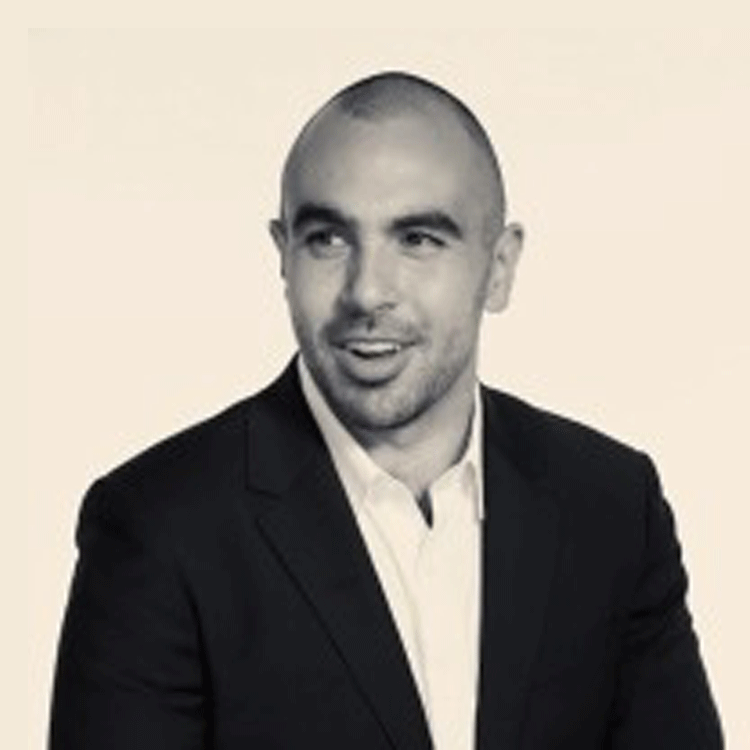
Jordan Noone
Jordan Noone is the Co-Founder and General Partner at Embedded Ventures. Launched in 2020, Embedded Ventures is a next generation venture capital firm investing in early-stage deep tech startups, focused on space operations, digital engineering, and advanced manufacturing. In 2015 at 22 years old, Jordan started Relativity Space. As Relativity’s CTO for five years, Jordan focused on technical direction and engineering design, including: developing printing technology, launch vehicle design, propulsion design, software development, infrastructure development, and government affairs. As leader of USC’s Rocket Propulsion Lab, Jordan became the first student and youngest individual in the world to receive Federal Aviation Administration clearance to fly a rocket into space.
-
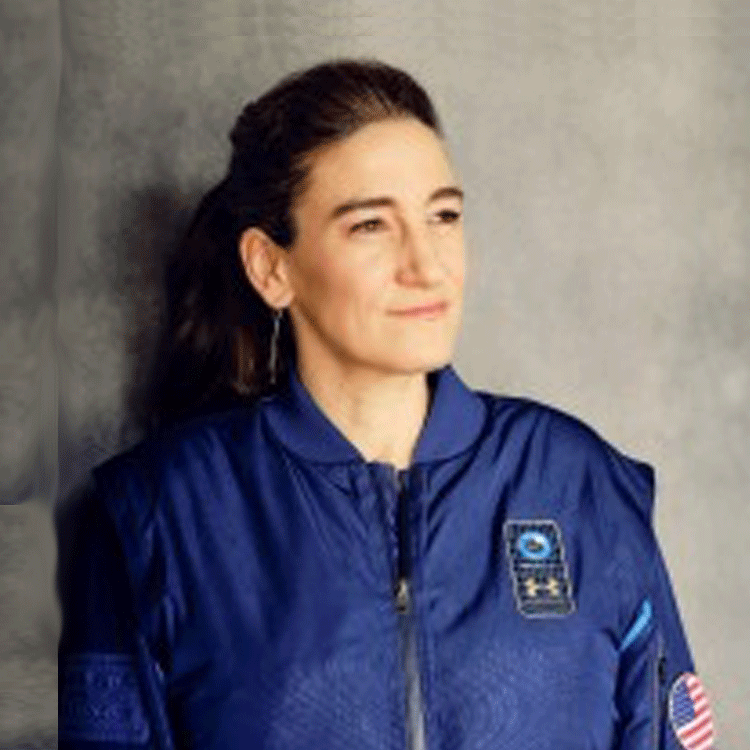
Loretta Hidalgo Whitesides
Loretta Hidalgo Whitesides is a Founder Astronaut at Virgin Galactic, mother of two, and wife to George T. Whitesides, former CEO of Virgin Galactic. She is the author of The New Right Stuff: Using Space to Bring out the Best in You. Loretta studied astrobiology at Stanford and Caltech, did research on plant life in the Canadian Arctic with NASA, dove to the bottom of the ocean with Titanic Director James Cameron, and has floated weightless hundreds of times as a Flight Director for Zero Gravity Corporation. She and her husband are the Co-Creators of Yuri's Night, the annual Worldwide Space Party celebrating the dual Russian and U.S. space anniversaries on April 12.
-
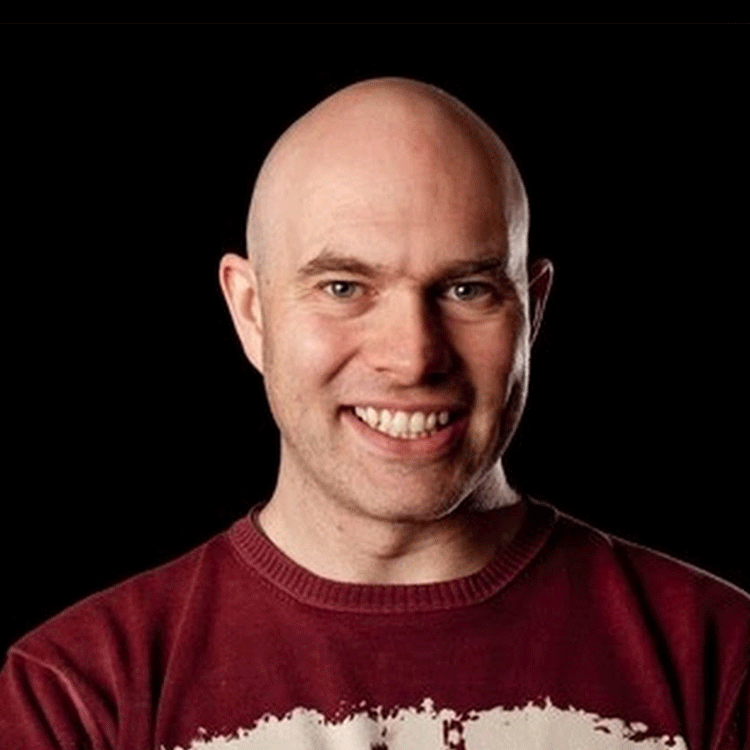
Scott Manley
Scientist, astronogamer, astrophysicist, programmer, and internet rocket scientist, Scott is known for his space-themed YouTube channel where he brings science into video games and teaches kids of all ages the math behind rocket science. Originally from Scotland, Scott spent a decade in academia studying astrophysics and computational physics at the University of Glasgow and Armagh Observatory where he focused on small bodies in the solar system and specifically the probabilities of collision. He left research in 1999 to move to California and work in the technology industry. When the video game Kerbal Space Program appeared, he became a public science figure through his YouTube videos explaining the game and the science involved.
-
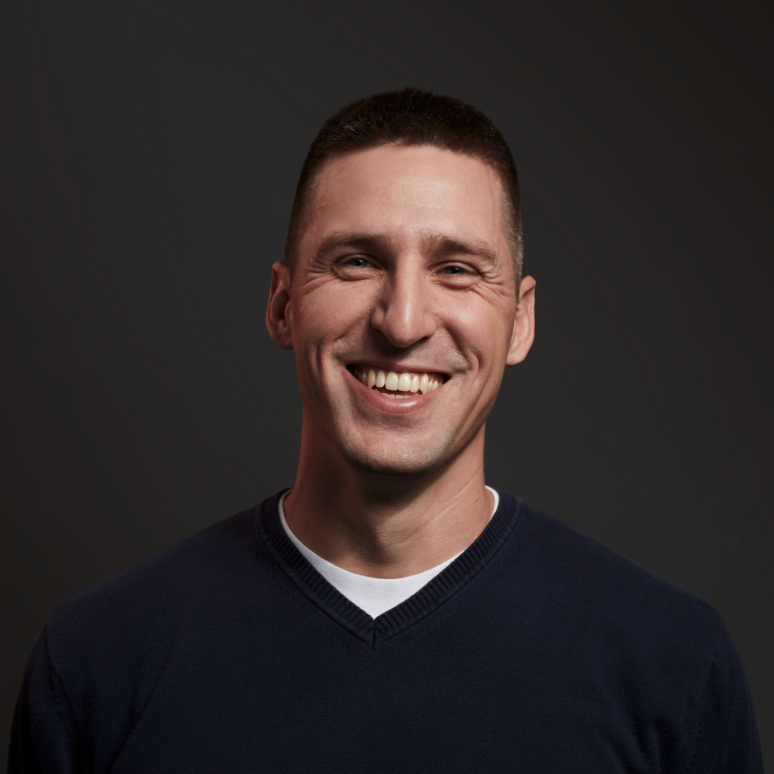
Zach Sander
Zach Sander is the Director of Engines at Stoke Space and the first employee hired by Co-Founders Tom Feldman and Andy Lapsa. Zach has led the architecture and development for both of Stokes fully and rapidly reusable rocket engines, including hotfiring Zenith, a MethaLOX full-flow staged combustion engine, in under 18 months from kickoff as well as overseeing the design of Andromeda, a HydroLOX expander cycle engine incorporating an actively cooled metallic base heat shield. Before joining Stoke, Zach led the turbo team on Blue Origin's BE-4 engine. Zach received his BS/MS from the University of Dayton.
10:15 - 10:45 Breakout Sessions
-
LOX Cleaning Fundamentals
Nick Theiss - Cryoworks
Ensuring the safe handling and flow of liquid oxygen (LOX) requires meticulous cleaning procedures for rockets and ground support equipment (GSE). This session will cover best practices for removing contaminants, choosing appropriate cleaning agents, and maintaining cleanliness throughout the preparation and fueling processes. Attendees will learn practical tips for minimizing risks associated with LOX’s extreme reactivity, contributing to safe pad operations.
-
Running Your Rocket Team
Space Enterprise at Berkeley (SEB)
The Space Enterprise at Berkeley team shares their hard-won lessons from building and sustaining a successful student rocket program. Aimed especially at smaller/newer teams or established teams that want to learn new tricks, they will cover effective governance, distributing technical and non-technical work, and building a reliable funding pipeline. The speakers will also address risk management and safety culture—how to scale ambition responsibly while keeping your team, hardware, and institution on solid ground.
-
FAR-OUT and Competition Updates
Jessica Kuleshov w/Mark Holthaus
This session provides an overview of the annual FAR-OUT liquid rocket competition, along with key rule updates and entry considerations. Mark will also cover questions and updates on FAR-Mars, FAR Dollar Per Foot (including TCPF), and RRS Regen. Whether you’re planning your first entry or trying to fund your program, this is the best opportunity to clarify requirements, timelines, and criteria. Bring your questions—this session is designed to help teams compete with confidence.
11:00 - 11:45 Breakout Sessions
-
Nitrous Oxide 101 with Half Cat
Austin Sennott and Charles Sharp
Presented by the Half Cat Rocketry team, this session provides a practical introduction to nitrous oxide–based rocket systems, from core fundamentals to real-world implementation. The team will explain how and why Tripoli has opened the door to liquid propulsion, what is explicitly permitted under the current ruleset, and how those rules are structured to maintain safety. Attendees will also learn what remains prohibited, how liquid rockets are being integrated into standard launches, and get an introduction to Bobtail, Half Cat’s newest nearly COTS, low-cost liquid rocket design.
-
The Evolving Space Domain and the US Space Force
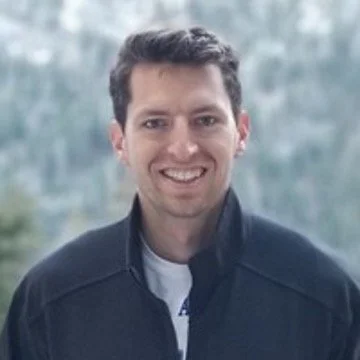
Lt. Col. Wyatt Harris, PhD, Deputy Head of USAFA Astronautics Department
Col. Wyatt Harris will examine three core themes: Space as a Warfighting Domain: How today’s national-security environment has transformed space into a congested, competitive, and contested domain, highlighting current counterspace threats and why assured, resilient access to orbit is central to deterrence. The Role of the U.S. Space Force: An overview of how the U.S. Space Force organizes, trains, and equips forces to secure U.S. and allied interests in space—maintaining space domain awareness, protecting critical space systems, and ensuring freedom of action in an increasingly contested space environment. Why You Matter: How the next generation of aerospace engineers will be crucial to U.S. space operations.
-
Liquid Rocket Safety
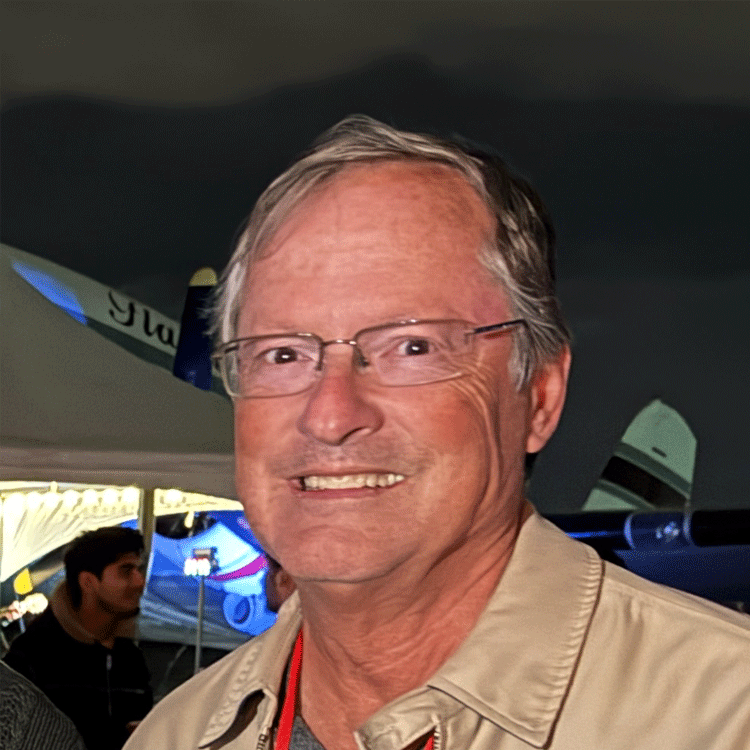
Mark Holthaus – FAR Officer
Mark will lead a foundational discussion on liquid rocket safety, structured around six key phases of rocket operations. Each phase is examined for potential hazards, failure modes, and appropriate mitigations. This session is essential for anyone involved in liquid rocketry and provides a practical framework for building safer systems and teams.
-
LOX Loading Live Demonstration (option 1 of 2)
Eric Beckner – FAR Officer
This live cryogenic demonstration walks through the safe loading of Liquid Oxygen (LOX), highlighting best practices for cryogenic handling and operational discipline. Attendees will learn about key process and personal safety considerations when working with LOX systems. The session also includes a compelling demonstration of material flammability to illustrate the unique hazards and risks associated with oxygen-rich environments.
12:00 - 12:30 Breakout Sessions
-
Pressurization Fundamentals
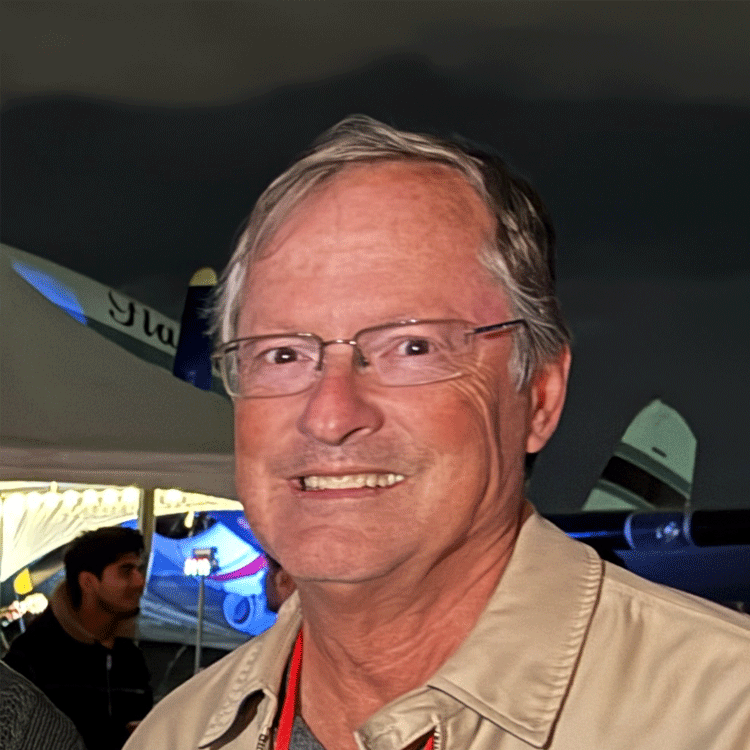
Mark Holthaus – FAR Officer
Mark introduces the fundamentals of liquid rocket pressurization systems, explaining why pressurization is critical for reliable propellant delivery and engine performance. He will cover common system architectures used in both student and professional liquid rocket programs, including regulated, blowdown, and autogenous approaches. The talk will highlight typical failure modes and safety hazards encountered in pressurized systems, drawing lessons from real-world incidents and testing experience. Best practices for pressurization design, testing, and operations will be emphasized to help teams build safer and more robust propulsion systems.
-
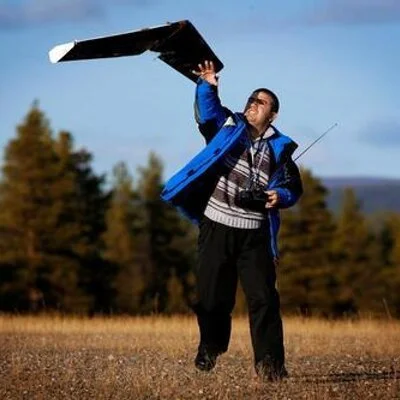
Hypergolic Liquid Rocket Engines
Dr. Florin Mingireanu - Oxo Network/Explorom Special Services
This session offers an inside look at the development of modern hypergolic liquid rocket engines, presented Florin who is a engineer at Oxo Network/ Explorom Special Services. The talk covers the design and testing of restartable, throttleable engines and thrusters across a wide range of thrust classes, from attitude-control systems to small main engines. Attendees will also gain insight into what it takes to build and operate a hypergolic rocket engine test facility from the ground up, highlighting practical lessons learned along the way.
-
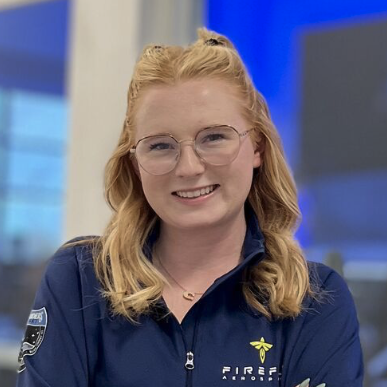
From Rocket Team to Lunar Hardware
Caitlyn Copeland – Firefly Aerospace
Caitlyn shares her personal journey from hands-on student rocketry with the UCI Rocket Team to professional roles at Northrop Grumman and Firefly Aerospace. The talk highlights lessons learned along the way—making the most of unconventional opportunities, navigating a startup environment, and building a career through practical experience, persistence, and curiosity. It’s an honest look at how passion-driven projects can open doors to working on missions that extend beyond Earth.
2:15 - 3:15 Networking Hour & Demonstrations
-
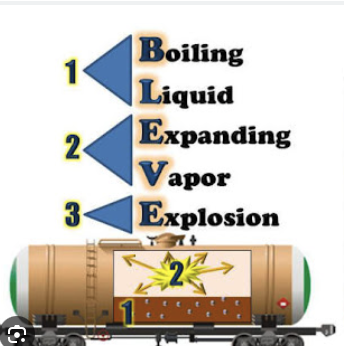
Tank Burst and BLEVE Live Demonstration
Eric Beckner – FAR Officer
Experience the dramatic power of live tank bursts and BLEVE (Boiling Liquid Expanding Vapor Explosion) demonstrations. This session will showcase the potential hazards of self-pressurizing tanks and boiling cryogenic liquids. Witness controlled explosions and high-energy releases as Eric explains the science and important safety implications behind these phenomena.
3:15 - 3:45 Breakout Sessions
-
UCSD: The Liquid Rocket Testing Lifecycle
Preston Brinker – UC San Diego SEDS Halya Rocket Lead
This fundamentals session focuses on the nine phases of end-to-end testing used in Liquid Rocketry programs, progressing from basic tank proof testing, pressure and leak checks, through cold-flow and hot-fire engine testing, to fully integrated vehicle static fire and launch readiness. Each phase is framed around what risk it retires, what data is collected, and what failures are caught early. Preston will show how a structured test lifecycle enables teams to safely transition from components to flight-ready liquid rockets.
-
USC: Design of Guidance Navigation and Control (GNC) Flight Computers
University of Southern California – Liquid Propulsion Lab
USC’s Liquid Propulsion Laboratory presents an inside look at the design of a custom Guidance, Navigation, and Control (GNC) flight computer developed specifically for their liquid-propelled lander. This talk will cover system requirements, hardware and software architecture, and the unique challenges of integrating GNC with a liquid propulsion vehicle. USC will share how their teams approach reliability, real-time control, and testing for flight-critical avionics in a lander application.
-
CPP: Liquid Assisted Solid Rockets
California Polytechnic University Pomona – Rocket Powered Lander Project
Presented by Cal Poly Pomona, this session explores the Rocket Powered Lander Project and its use of a Liquid Augmented Solid Rocket Motor developed by Exquadrum for the Phoenix 1 Lander. The team will walk through their static fire testing campaigns, highlighting key successes, failures, and the lessons learned along the way. Attendees will gain insight into testing at both FAR and Exquadrum facilities, as well as the iterative lander design process that ties propulsion, testing, and systems engineering together.
4:00 - 4:45 Breakout Sessions
-
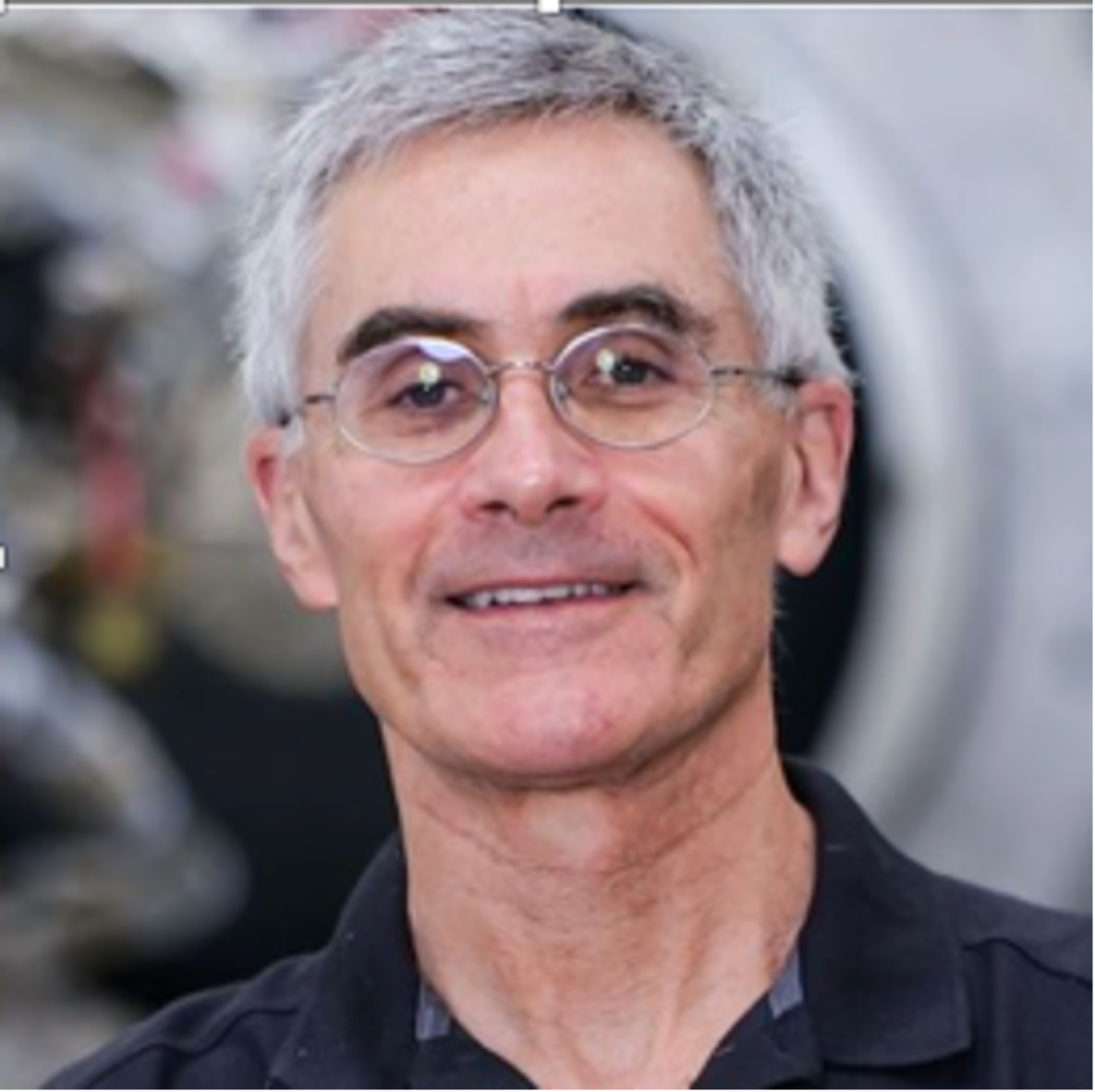
Liquid Rockets: Designing for Iteration and Launch
John Garvey - μG
In this fast-paced session, John Garvey explores how to design liquid rocket systems with an emphasis on rapid iteration and getting to the launch pad. Drawing on his real-world stories from dozens of programs that have gone from the garage to the range, he highlights practical decision-making over analysis paralysis. Attendees will learn how to balance design rigor with speed, enabling teams to test, learn, and fly sooner rather than later.
-
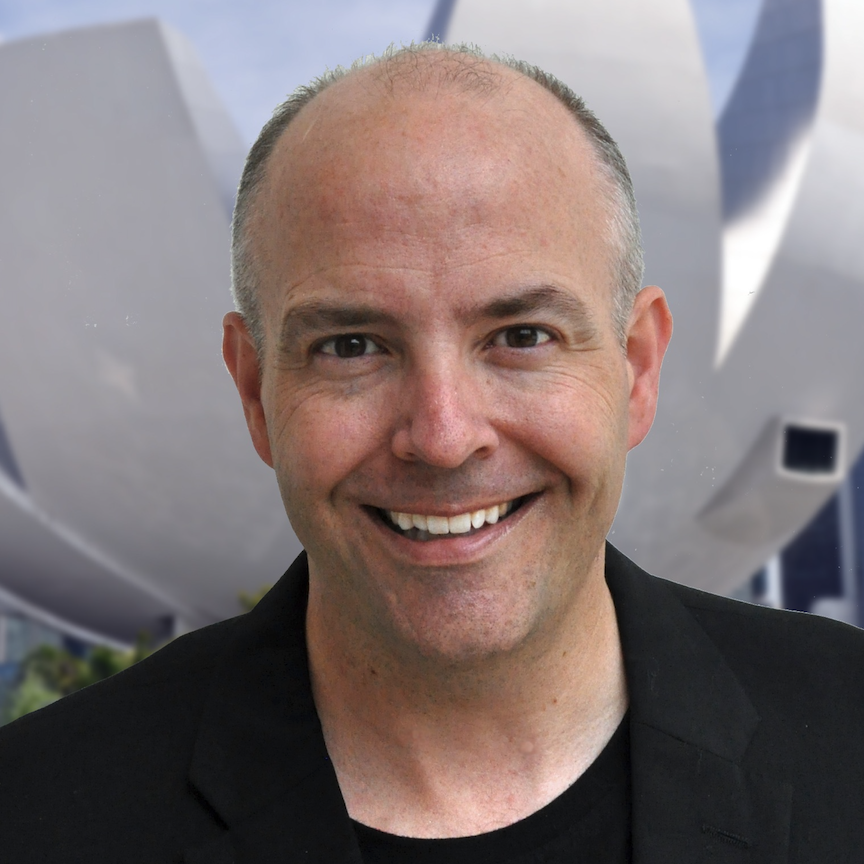
Ground Support Electronics Top Ten
Mike Brinker
Ground Support Electronics are the silent backbone of every successful firing and launch. This session breaks down the top ten GSE controller considerations for liquid propulsion teams, focusing on overall design, safety, reliability, and lessons learned from ten years on the range at FAR. Attendees will gain practical insight into power systems, sensors, control logic, and data acquisition—without needing an EE background. If you want your test and launch systems to be repeatable and safe, this session is for you.
-
Pressure Regulation Fundamentals and a New High Power Density Dome Loaded Regulator Design
Mark Ventura – Ventura Energy Systems
Mark discusses the critical role pressure regulators play in liquid rocket propulsion systems and introduces a new lightweight, compact, dome-loaded pressure regulator derived from the legendary Mity Mite, entering production in 2026. A limited number of these next generation Mity Mite regulators will be made available to university teams. The talk covers specifications, performance test data, and historical heritage tracing back to the M2 flamethrower of the 1940s, along with key engineering challenges associated with low-temperature PCTFE (Kel-F) soft goods. The session concludes with a look at lessons learned and the future product evolution.
-
LOX Loading Live Demonstration (option 2 of 2)
Eric Beckner – FAR Officer
This live cryogenic demonstration walks through the safe loading of Liquid Oxygen (LOX), highlighting best practices for cryogenic handling and operational discipline. Attendees will learn about key process and personal safety considerations when working with LOX systems. The session also includes a compelling demonstration of material flammability to illustrate the unique hazards and risks associated with oxygen-rich environments.
Saturday Night
-
Closing & Awards
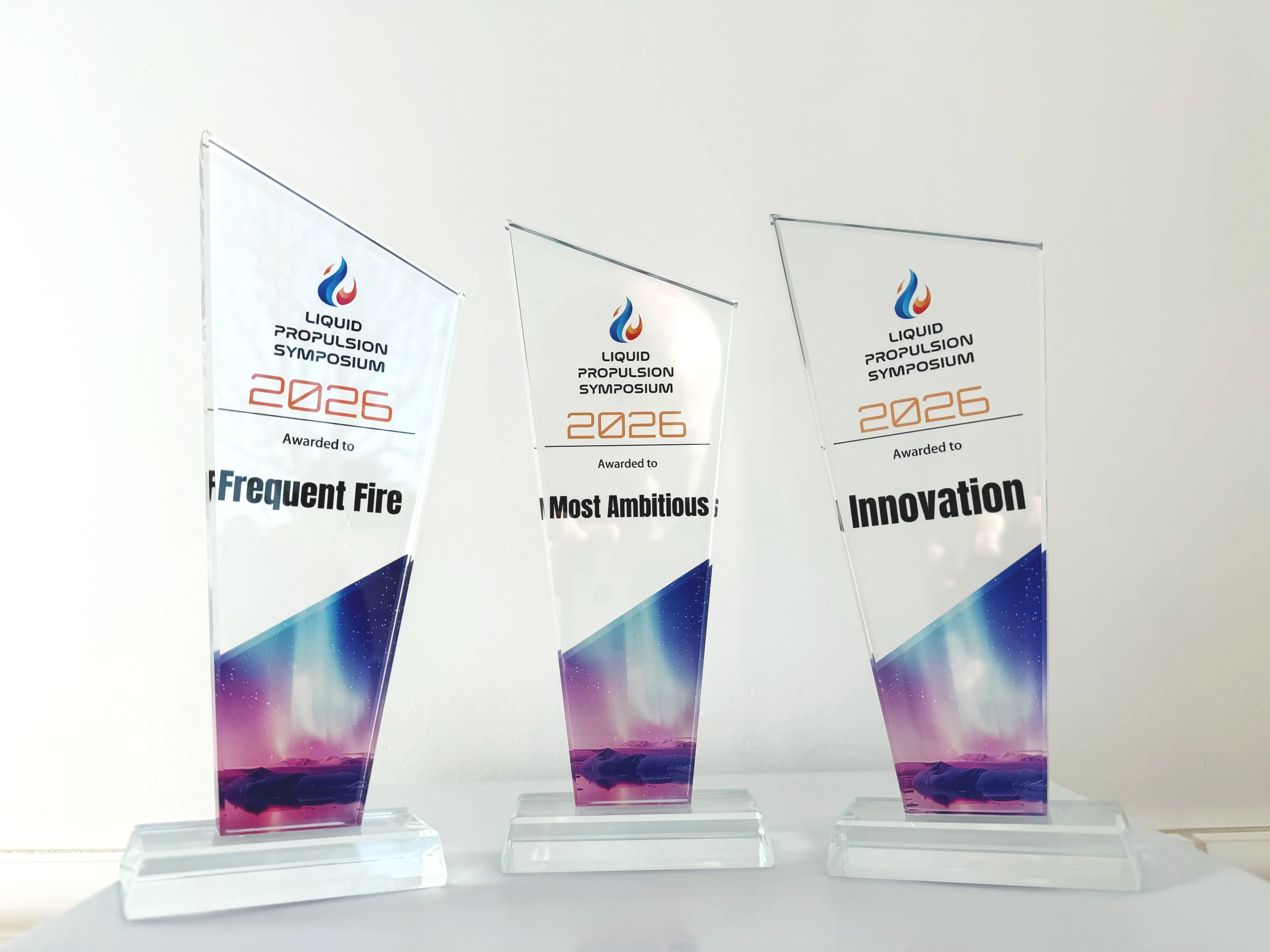
Special awards will be given to university teams under six categories to recognize their efforts, accomplishments, and commitment to the rocketry community.
-
Dinner
Dinner is complimentary— Join us for what may be the best Mexican food you’ve ever had, served fresh after a full day of rockets, engines, and great ideas. It’s the perfect chance to relax, refuel, and keep the conversations going with teams, speakers, and new friends.
-
After Party
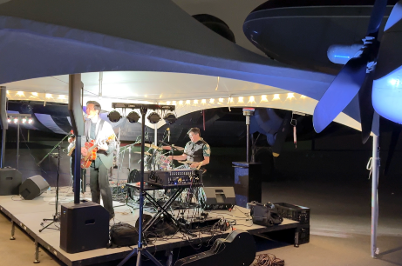
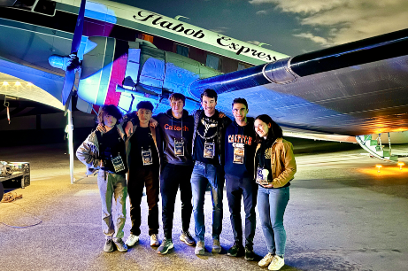
Join us on the tarmac for a live band, a hosted bar (21+), and an unforgettable night surrounded by aviation and rocket history. Explore the legendary Flabob DC-3s—including Winston Churchill’s WWII aircraft—visit the Wright Flier Museum, dive into the Holthaus Rocket Library, and enjoy additional live entertainment throughout the evening.
Sunday - Industry Day
-
Space & Propulsion Company Networking
On Sunday morning from 8:30am to noon, join over a dozen major space, launch, and propulsion companies in Hangar 16A to learn more about their missions and what they look for in candidates.
Break-out talks will be held every half our for select companies to do group presentations and Q&A.
Sunday morning the Project Expo will remain open, as will the Rocket Lab, the Wright Flier Museum, and more.